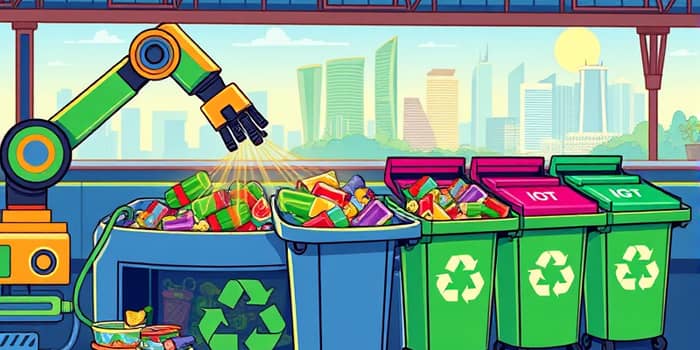
In today's rapidly urbanizing world, waste generation is skyrocketing, presenting both a crisis and a chance for transformative change. The global waste management market is on the brink of a revolution, where innovation can turn environmental burdens into lucrative ventures.
With projections showing waste volumes set to double by 2050, traditional disposal methods are no longer sustainable. Only 13.5% of waste is currently recycled globally, leaving immense potential for improvement and profit untapped.
This article delves into how advanced technologies are reshaping waste management, offering practical solutions that benefit both the planet and the bottom line. From IoT sensors to AI-driven robotics, these breakthroughs are paving the way for a smarter, cleaner future.
The scale of the waste problem is staggering, yet it hides a massive economic potential. Global waste management market expected to reach USD 1.98 trillion by 2032, growing at a CAGR of 5.7%.
Municipal solid waste alone generates over 2 billion tonnes annually, with projections hitting 3.8 billion tonnes by 2050. This exponential growth demands urgent action and innovative approaches to avoid environmental collapse.
Current methods like landfilling and incineration are inefficient and harmful, releasing greenhouse gases and polluting ecosystems. Only a small fraction of waste is properly managed, highlighting a critical need for change.
Key challenges in waste management include:
Despite these hurdles, the market is ripe for innovation, with smart technologies offering a path to sustainability and profitability.
Innovations in waste management are transforming how we handle trash, making processes more efficient and sustainable. Smart waste management systems leverage IoT, AI, and robotics to optimize operations and reduce environmental impact.
Here is a summary of key technologies and their benefits:
These technologies are not just theoretical; they are already being implemented globally, driving significant improvements in waste handling. From reducing operational costs to enhancing recycling rates, the benefits are clear and measurable.
To maximize impact, businesses and municipalities should consider adopting these innovations. Key steps for implementation include assessing current waste streams, investing in scalable tech solutions, and training staff for new systems.
By embracing these technologies, organizations can not only address environmental concerns but also unlock new revenue streams.
Turning waste into profit is no longer a distant dream but a tangible reality. Innovations drive cost savings of 20-55% in waste collection and processing, making them highly attractive for investment.
The economic potential is vast, with the smart waste management market projected to grow by $2.63 billion over the next four years. Startups are raising millions, such as AMP Robotics with $91M, signaling strong investor confidence in this sector.
Businesses that produce significant waste, from manufacturing to retail, can benefit immensely by adopting these technologies. Reducing disposal costs and generating energy or recycled materials can create new income sources.
Key economic benefits include:
For example, companies like WM are investing $1.4B in recycling facilities, showcasing the long-term profitability of waste innovation. This strategic move not only boosts sustainability but also secures competitive advantage in a growing market.
To capitalize on these opportunities, stakeholders should focus on scalable and adaptable technologies that can evolve with changing waste streams.
Beyond profits, waste management innovations are crucial for building a sustainable future. Diverting recyclables from landfills has the potential to recover 75% of waste, significantly reducing environmental harm.
Technologies like AI and IoT enable better data analytics, helping to optimize disposal and raise public awareness. This leads to reduced emissions and fuel consumption, contributing to climate change mitigation efforts.
Circular economy models are at the heart of this shift, reclaiming value from organics, plastics, and e-waste. By minimizing waste generation and maximizing reuse, these approaches support zero-waste strategies globally.
Sustainability impacts are profound and multifaceted:
For instance, cities implementing smart bins have seen a drop in illegal dumping and increased recycling rates. This positive feedback loop encourages further innovation and adoption, creating a greener planet for future generations.
Embracing these technologies is not just an option but a necessity for achieving sustainable development goals.
Learning from practical examples can inspire and guide effective waste management strategies. Case studies from around the world demonstrate how innovation leads to tangible benefits.
Here are some notable success stories:
These examples highlight the diversity of applications and the scalability of waste management innovations. From startups to established corporations, success is achievable with the right technology and commitment.
By studying these cases, organizations can identify best practices and avoid common pitfalls in implementation.
Looking ahead, waste management is set to become even more intelligent and integrated. Decentralized and localized processing will gain traction, reducing transportation costs and enhancing community involvement.
AI will move beyond experimentation to full-scale execution, optimizing every aspect of waste handling. Energy-positive recovery systems will turn waste into net energy producers, further boosting sustainability.
Key trends for 2025-2026 include:
These trends underscore a global shift towards sustainability and efficiency, driven by technological advancements. By staying informed and proactive, stakeholders can leverage these developments for continued growth and impact.
The journey from waste problem to profit opportunity is accelerating, and now is the time to act.
In conclusion, waste management innovation offers a powerful pathway to address environmental challenges while unlocking economic value. Embrace these technologies today to build a cleaner, more prosperous tomorrow for all.
References