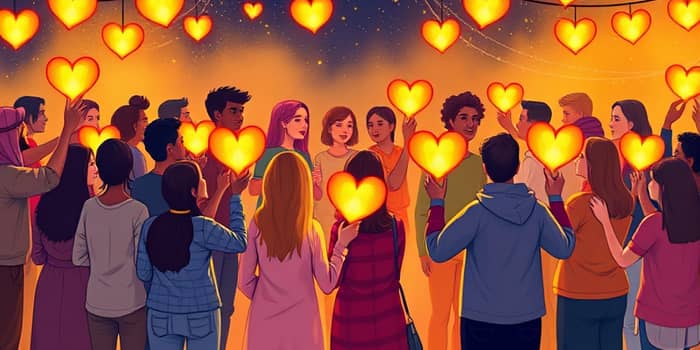
There is something deeply ingrained in human nature that discovers joy in generosity. Across cultures and centuries, charitable giving has not only supported those in need but also provided profound emotional rewards to donors. Scientists now understand that acts of kindness ignite pleasure centers in the brain and spark a cascade of benefits that ripple through individuals and communities alike. In this article, we explore the multifaceted psychology behind giving, the social and personal transformations it triggers, and how to harness its full potential.
At the core of charitable behavior lie several key motivations. While generosity can appear selfless, each dimension adds a unique flavor to why we choose to help.
Beyond individual satisfaction, giving fosters powerful social bonds. Volunteers, donors, and recipients become part of a larger tapestry of shared purpose.
Charitable acts build sense of community and belonging, knitting people together across backgrounds and experiences. Whether joining a local food drive or supporting a global relief effort, donors cultivate social capital by connecting with like-minded individuals and organizations.
Moreover, social dynamics of giving extend beyond monetary gifts. Many engage in community projects, volunteer their time, or participate in fundraising events—demonstrating that generosity can manifest in diverse forms.
Scientific studies consistently reveal that those who give experience remarkable boosts in well-being. A phenomenon known as the helper’s high—feeling of euphoria emerges as the brain releases endorphins during and after giving. This natural uplift catalyzes a sense of purpose and can even rival financial gains in creating joy.
Not all charitable acts yield equal emotional returns. Research identifies three critical factors that amplify joy when we give:
When donors exercise choice and autonomy over donations and receive updates on beneficiaries, they report sustained happiness and a lasting bond with causes.
Positive emotions from one act of giving often lead to further generosity, creating a positive cascade of giving opportunities that enrich both giver and receiver. This ripple effect strengthens community ties and builds a culture of compassion.
Additionally, research highlights significant physical health advantages. Older adults who volunteer or support others regularly exhibit delayed mortality in older adults and improved overall well-being. Volunteering correlates with lower blood pressure, reduced stress hormones, and enhanced mental resilience.
Mindful giving involves researching charities, setting personal boundaries, and choosing causes aligned with core values—ensuring both impact and lasting fulfillment.
The act of giving transcends mere financial transactions; it is a profound expression of shared humanity. By understanding the psychological drivers, embracing social connections, and fostering intentional, autonomous contributions, donors unlock a world of emotional, social, and physical rewards. Whether through time, resources, or empathy, your generosity not only changes lives but also nurtures your own well-being, creating a virtuous cycle of kindness and joy.
References