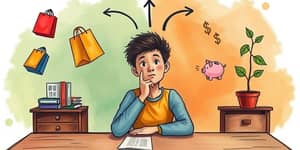
In an era where net worth often defines success, many of us overlook a deeper form of wealth: the joy and connection forged through life’s experiences. The happiness dividend reframes our approach to spending by treating moments of genuine delight as investments. Rather than accumulating physical possessions, we allocate time and resources to activities that earn ongoing emotional returns long after the initial event has passed.
This perspective shifts the question from “What can I buy?” to “What memories will enrich my life?” By prioritizing experiences over material goods, we cultivate a reservoir of satisfaction, meaning, and growth that compounds through reflection, storytelling, and shared nostalgia.
Embracing the happiness dividend requires a fundamental change in mindset. It challenges the assumption that possessions maintain their value and instead highlights how experiences can appreciate in significance with each recollection.
At its core, the happiness dividend applies investment principles to well-being. Unlike stocks or bonds, which yield financial returns, our “assets” are moments of novelty, connection, and emotional depth. Each experience becomes a perpetual source of joy through memory recall, anniversary triggers, and social sharing.
Traditional purchases, such as electronics or furniture, often lose their novelty and usefulness over time. By contrast, a single trip, concert, or heartfelt interaction can offer recurring happiness returns through memory recall, providing joy well beyond the original duration of the event.
Drawing on principles from Bill Perkins’s Die with Zero, the happiness dividend underscores the importance of allocating resources toward experiences that resonate deeply with our passions and values. This approach asserts that true wealth lies in collective memories, personal growth, and meaningful connections.
By intentionally spending down resources on impactful experiences, we maximize the time available for our happiness dividends to compound. The trick is not to exhaust our means, but to plan wisely—creating a balanced portfolio of experiences across our lifespan.
By focusing on these factors, we craft experiences that not only delight in the moment but continue to reward us for years to come.
A strategic element of the happiness dividend is sequencing experiences according to life stage. Younger individuals benefit from physically demanding adventures, while later chapters can emphasize cultural enrichment and personal reflection.
Age-based sequencing ensures we capture opportunities before they become inaccessible due to shifting health or responsibilities. It also maximizes the compounding period, allowing memories to generate dividends over decades.
Unlike financial dividends paid on a fixed schedule, happiness dividends can be triggered at will. The key is to build habits that revisit and reinforce cherished memories.
By proactively recalling and celebrating experiences, we enlarge the frequency and magnitude of our happiness payouts.
Investing in varied experiences does more than boost our mood—it reshapes our minds. New and distinct activities engage us fully in the present moment, countering the autopilot of routine and reducing stress.
Studies show that novelty literally changes how the brain functions, strengthening neural pathways and enhancing overall well-being. Moreover, meaningful experiences provide a sense of purpose during life transitions, whether entering retirement or adapting to an empty nest.
Finally, the perception of time expands when our days are filled with new events. Instead of a blur, a life rich in distinct experiences feels more expansive and memorable.
Financial health and emotional health are intertwined. Smart spending on experiences fosters both immediate satisfaction and long-term well-being.
Implementing the happiness dividend requires more than inspiration—it demands a plan. Start by evaluating your calendar with the same rigor you apply to a financial spreadsheet. Block out time for high-impact experiences, and allocate a dedicated budget for meaningful activities.
Remember these guiding principles: prioritize presence over distraction, invest early to maximize compounding, and seek quality over quantity. Even modest outings—when fully embraced—can yield profound and lasting dividends.
By reframing spending decisions around the happiness dividend, we transform fleeting moments into an appreciating asset. Each adventure, heartfelt conversation, and novel discovery becomes a deposit in our personal well-being account.
As we intentionally invest in experiences that resonate with our passions and values, we cultivate an enduring legacy of joy, connection, and growth. In doing so, we discover that true wealth is not measured solely by what we possess, but by the richness of the life we live.
References