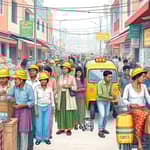
Urbanization is reshaping our world at a breathtaking speed, transforming landscapes and economies alike. Global urban population is soaring, with cities emerging as hubs of innovation, culture, and opportunity that define modern life.
By 2050, nearly 70% of humanity will reside in urban areas, a monumental shift from rural traditions. This migration is not merely a demographic change; it fuels economic dynamism and societal evolution on an unprecedented scale.
The story of urbanization is one of dualities, blending progress with peril in a delicate balance. Sustainable planning is essential to unlock its potential while safeguarding our future, making it a critical topic for our times.
Current global urbanization stands at 57.5%, a significant rise from earlier decades. Africa, for example, has seen its urban share surge from 27% in 1990 to 54% in 2020.
Projections show the urban population increasing by 2.5 billion by 2050, with 90% of this growth in Asia and Africa. This expansion equals adding a city like Providence, Rhode Island daily, highlighting the rapid pace.
These trends reveal an unstoppable march toward an urbanized planet, with profound implications for global development and resource allocation.
Cities act as engines of economic growth through mechanisms like agglomeration economies, which enhance productivity and innovation. Agglomeration economies boost firm efficiency and worker skills, leading to higher wages and output.
Small cities in Africa often outperform rural areas in wages, employment, and access to services, demonstrating urban advantages. Urbanization has contributed about 30% to Africa's GDP per capita growth over the past two decades.
This table illustrates how urbanization correlates with economic performance across regions, emphasizing its role in shaping futures. Cities foster innovation clusters that attract global investments, creating a cycle of prosperity and job creation.
Urban centers offer numerous benefits that improve quality of life and foster resilience. Innovation thrives in dense environments, sparking technological breakthroughs and entrepreneurial ventures.
Cities like San Francisco and Austin exemplify how urban growth can drive prosperity through tech, education, and tourism sectors. These positive effects highlight urbanization's potential to uplift societies and inspire hope.
Despite the benefits, urbanization brings significant challenges that demand urgent attention. Public service strain is a major issue, with cities struggling to meet rising demands for housing and utilities.
Cities consume over 75% of global resources while occupying only 2% of land, leading to severe strain. Urban material use is projected to double by 2050, from 41.1 billion to 89 billion tonnes, amplifying ecological footprints.
Climate shocks and high debt levels in regions like Africa further complicate urban management, underscoring the need for adaptive strategies. Resource consumption escalates risks, making sustainable practices vital for survival.
The environmental footprint of cities is staggering, with urban areas responsible for 70% of global emissions. Urban material use is escalating rapidly, driven by construction booms and consumer habits.
Eastern Asia, particularly China, leads in the use of materials like aluminum and concrete, setting trends. Megacities in the Global South are at the forefront of this consumption growth, necessitating innovative solutions.
Sustainable urban planning is crucial to reduce this environmental burden and enhance resilience against climate change.
To harness urbanization's benefits while addressing its challenges, effective policies and forward-thinking planning are essential. Sustainable planning balances growth with environmental care, ensuring long-term viability for generations.
Events like the World Bank's 10th Urbanization Conference in 2026 focus on jobs, firms, and growth, emphasizing urban form and mobility. Quantitative research on firm productivity in developing countries is also critical for informed decision-making.
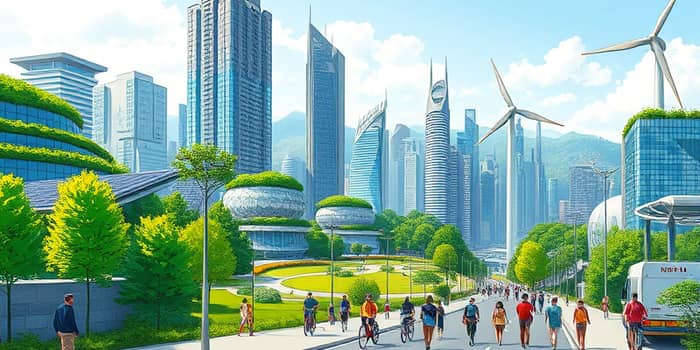
By adopting these approaches, cities can become beacons of sustainable development, offering practical solutions for a better future. Urbanization is not just a trend; it's a defining feature of our century, inviting us to build smarter, more equitable communities.
Embracing this vision requires collective action and innovative thinking, turning challenges into opportunities for growth and harmony.
References