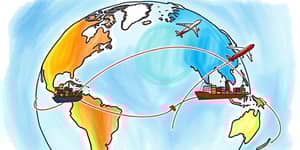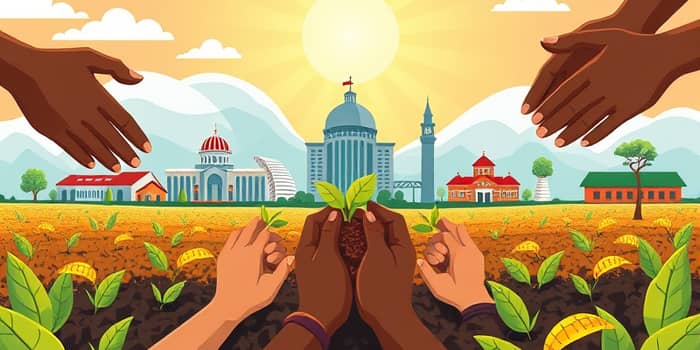
Poverty is not merely a statistic; it is a profound human crisis that diminishes lives and stifles potential across the globe. This global challenge extends beyond mere income lack, seeping into every aspect of daily existence, from access to clean water to opportunities for education and healthcare.
Imagine a world where over a billion people wake each day to uncertainty, where basic needs go unmet and dreams remain out of reach. Understanding the economics behind poverty is crucial, as it reveals the interconnected systems that perpetuate deprivation and the pathways to meaningful change.
While progress has been made, such as China lifting millions from extreme poverty, the battle is far from won. We must confront the root causes with empathy and innovation, recognizing that poverty is both a moral failing and an economic inefficiency that holds humanity back.
Poverty arises from a complex web of interrelated factors that trap individuals and communities in cycles of hardship. It is rarely the result of a single issue but rather a convergence of barriers that reinforce one another.
At its core, poverty stems from multidimensional issues like inadequate income, poor access to essential services, and limited job opportunities.
Regional specifics exacerbate these challenges, such as high fertility rates in the Caribbean that strain resources and deepen deprivation.
For example, in low-resource settings, barriers include drug gaps and weak medical capacity, making healthcare a distant luxury rather than a right.
Household spending burdens often prioritize food and shelter, leaving little for savings or investment in the future.
The effects of poverty ripple outward, damaging economies, societies, and individual well-being in profound ways. Reduced productivity and lower GDP contributions are common, especially in regions reliant on agriculture.
Social and health consequences are severe, with illness-induced poverty and out-of-pocket health spending crippling families, as evidenced by failures in schemes like India's Rashtriya Swasthya Bima Yojana.
Poverty is framed by the United Nations as the first of 17 Sustainable Development Goals, underscoring its pervasive nature and the urgency of action.
It creates a vicious cycle where lack of access to education limits job prospects, which in turn perpetuates financial instability.
Effective solutions emphasize sustainable development over temporary aid, focusing on empowerment through education, skills, and entrepreneurship. This approach builds resilience and fosters long-term prosperity.
Key strategies include Poverty Reduction Strategies and national plans, such as Uganda's PEAP and China's Health Poverty Alleviation project, which have shown measurable success.
These case studies highlight that effective anti-poverty strategies require a clear framework for action and quantifiable targets and senior minister responsibility to drive accountability and results.
By integrating these elements, governments and organizations can create robust systems that address poverty holistically.
Targeted interventions in key sectors can break the cycle of poverty and empower individuals to build better lives. These approaches are practical and scalable, offering hope where it is needed most.
In the United States, top solutions include expanding safety nets and creating family-wage jobs, addressing domestic poverty with targeted policies.
These interventions demonstrate that when resources are channeled effectively, they can transform communities and uplift generations.
Despite progress, challenges like donor agenda mismatches and implementation gaps persist, particularly in regions like Africa. However, innovation offers new avenues for hope and change.
Global efforts, such as the UN SDGs, provide a framework for collaboration, but success depends on committed action at all levels.
By learning from both successes and setbacks, we can refine approaches and accelerate progress toward a poverty-free world.
Integrating diverse strategies—combining agriculture, business, skills, markets, and technology—creates a holistic approach that fosters sustainability and resilience. This multifaceted effort is essential for lasting change.
Success is measured not just in statistics but in transformed lives: increased incomes, higher employment rates, and reduced extreme poverty rates that inspire hope.
As we move forward, it is vital to act with hope and collective action, recognizing that every effort counts in building a vibrant and resilient future for all.
Let us commit to understanding the economics of poverty deeply and acting decisively, so that one day, no one is left behind in the shadow of deprivation.
References