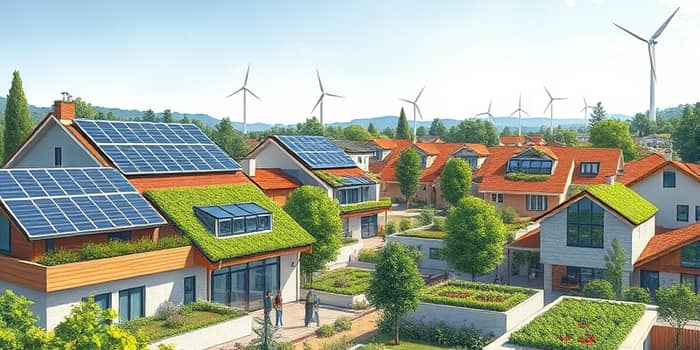
In recent years, the real estate industry has embarked on a transformational journey, placing sustainability at the forefront of design and development. This shift is driven not only by environmental imperatives but also by compelling economic incentives and evolving market demands.
With growing awareness of climate change and resource scarcity, investors and developers recognize that energy-efficient homes sell faster and command premium prices. Embracing green principles is no longer optional—it’s essential for long-term success.
Data consistently shows that certified eco-friendly buildings outperform conventional properties in the marketplace. Buyers are willing to pay more for reduced utility bills, improved comfort, and alignment with their environmental values.
Key financial benefits include:
Moreover, Energy Star properties often qualify for attractive tax rebates and incentives, further boosting investor returns. These tangible gains demonstrate that sustainability is synonymous with profitability.
Cutting-edge solutions are redefining how buildings operate, making them more resilient, efficient, and responsive.
Materials selection is equally critical. Developers now favor:
As we move deeper into 2025, several trends are defining the sustainable real estate landscape. Savvy investors should pay attention to these emerging opportunities:
Secondary markets are also gaining traction as investors seek lower entry costs and room for appreciation. Meanwhile, data center developments are surging, reflecting the growth of artificial intelligence and digital infrastructure.
Successful sustainable real estate rests on three foundational principles that balance environmental, social, and economic goals.
Environmental Responsibility: Minimizing carbon footprints through energy efficiency, water conservation, and responsible sourcing of materials.
Social Equity: Designing inclusive communities with access to green spaces, healthy indoor environments, and affordable housing options.
Economic Viability: Ensuring projects deliver solid returns, operational savings, and resilience against market fluctuations.
Together, these pillars guide developers toward projects that uplift communities and deliver enduring value.
Globally, the real estate sector accounts for nearly 40% of carbon emissions and consumes a significant share of energy and water resources. Transitioning to sustainable models is imperative to curb these impacts.
By adopting integrated waste management from construction to demolition, maximizing resource efficiency, and investing in renewable energy, the industry can dramatically reduce its environmental footprint.
Looking ahead, the market sentiment is cautiously optimistic. Stability is returning post-pandemic, and capital is poised to flow into well-positioned sustainable assets. Geographic preferences are shifting toward Sun Belt and secondary markets, where growth potential aligns with lower costs.
For investors and developers, the message is clear: sustainability is not just an ethical choice—it’s a strategic imperative. By embracing green certifications, innovative technologies, and community-focused design, stakeholders can build a resilient real estate portfolio that benefits people, planet, and profit.
References