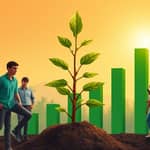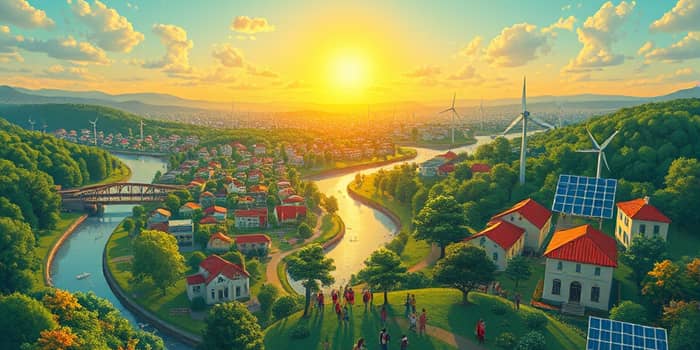
In a world where economic indicators proclaim resilience, environmental crises reveal deep fractures in our growth model. Planetary boundaries are under siege while social inequalities persist. The imperative to harmonize economic vitality with ecological health and human well-being has never been clearer.
Global growth is projected at 2.7% for 2026, trailing the pre-pandemic average of 3.2%. Inflation may recede to 3.1%, yet supply chain disruptions and climate-related shocks threaten uneven impacts. Against this backdrop, we must redefine success beyond GDP.
At the heart of the green economy lie five guiding principles designed to foster equity, resilience, and sustainability.
Beyond these pillars, an economy functions as a living system, guided by ecological, social, and economic principles.
Adopting this holistic framework enables policies that treat human communities and natural ecosystems with equal importance.
The global economy’s 2.7% growth forecast reflects cautious optimism. South Asia leads with 5.6%, while Africa posts 4.0%. Yet fiscal pressures and trade tensions could undermine progress.
Inflation’s decline to 3.1% offers relief, but disparities remain. Supply bottlenecks and climate disruptions heighten price volatility, disproportionately affecting vulnerable populations.
Consumers are reshaping markets: 72% are willing to pay more for sustainable products. This wave of demand is driven by younger generations seeking purpose in consumption.
In response, companies are embedding circularity into design, deploying renewable energy, and reducing waste. Technology innovations—from precision agriculture to energy storage—are pivotal in cutting emissions and resource use.
Effective measurement tools are vital. The Social Progress Index now assesses 171 nations across 57 social and environmental indicators over a 15-year span.
National strategies, such as Canada’s Federal Sustainable Development Strategy, track progress against targets like poverty reduction and plastic pollution abatement, fostering transparency and public engagement. They exemplify commitment to long-term ecological and social well-being.
Smart policies must internalize externalities with polluter pays frameworks and incorporate calibrated market mechanisms. Regulatory clarity and fiscal incentives steer investments toward green infrastructure.
Inclusive governance ensures community voices shape decisions, enhancing legitimacy and social cohesion. Devolved authorities and multi-stakeholder coalitions are essential to sustain momentum.
Despite strides, obstacles persist. Limited fiscal space, weak investment flows, and political resistance can stall progress.
However, profound opportunities lie ahead.
Canada’s latest FSDS report (2022–2026) sets a goal to halve poverty by 2030 and cut single-use plastics by 5%. As of 2023, poverty fell to 10.2%, signaling meaningful progress.
Achieving park access targets and boosting renewable energy illustrate how clear metrics and policy alignment can yield tangible benefits for communities and ecosystems alike.
Sustainable economics calls for a transformative pivot from short-term gains to systemic resilience and equity. We stand at a crossroads where every decision carries environmental and social weight.
By fostering shared prosperity across human, social, physical systems and aligning economy with nature's regeneration, societies can thrive within ecological limits.
Governments, businesses, and individuals each hold a stake in this collective journey. Through innovation, solidarity, and purposeful policy, we can secure a vibrant future for both people and planet.
References