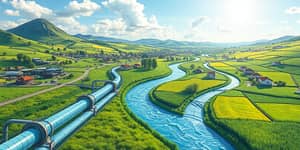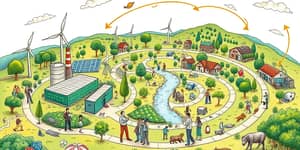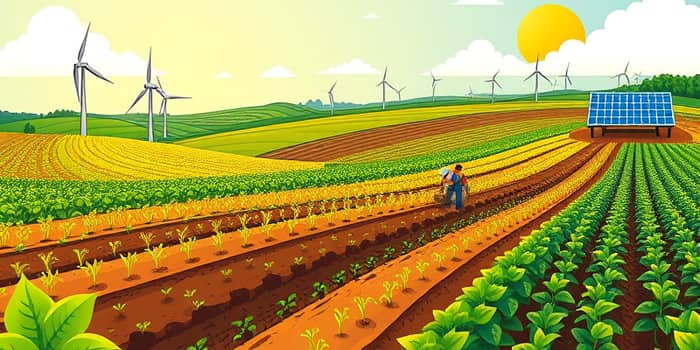
In a world facing climate change, population growth, and dwindling natural resources, sustainable agriculture emerges as a beacon of hope. By blending innovative practices with traditional knowledge, farmers can nourish the planet while securing their livelihoods.
The sustainable agriculture sector has witnessed unprecedented growth in recent years, capturing the attention of investors, policymakers, and communities alike. Demand for organic produce and regenerative practices continues to skyrocket, driven by consumer awareness and environmental imperatives.
According to recent data, the global market was valued at $15.36 billion in 2024 and is projected to reach $28.36 billion by 2030, reflecting a robust compound annual growth rate and a clear shift toward eco-friendly farming methods.
This expansion underscores a broader trend: consumers and stakeholders are prioritizing long-term environmental health alongside food security.
Transitioning to sustainable methods requires an initial investment, but the long-term rewards can be transformative. Farmers who adopt regenerative agriculture practices often experience significant financial gains once their systems reach maturity.
Studies indicate a 15%-25% return on investment over a 10-year period for growers shifting from conventional to regenerative approaches. These returns stem from reduced input costs and enhanced crop resilience.
Furthermore, established sustainable farms can achieve 70% to 120% higher profitability compared to conventional operations, thanks to premium pricing for organic products and improved resource efficiency.
During the transition phase, yields may dip and expenses can rise, but perseverance and planning pave the way for future prosperity.
Agriculture accounts for nearly 30% of global greenhouse gas emissions and plays a major role in biodiversity loss. Sustainable practices can reverse these trends by rebuilding soil health, conserving water, and fostering diverse ecosystems.
Regenerative methods such as cover cropping, reduced tillage, and integrated pest management not only cut emissions but also enhance resilience against extreme weather.
farmers and rural economies stand to benefit profoundly when communities prioritize soil restoration and landscape stewardship.
These techniques, when combined, form a resilient agricultural model that nurtures both land and livelihoods.
Despite clear benefits, several obstacles hinder widespread adoption of sustainable agriculture. Farmers often cite high upfront costs, reduced yields during the early years, and insufficient technical support.
To overcome these challenges, stakeholders across the agri-food value chain must collaborate on financing, insurance, and education.
One inspiring example comes from a seventh-generation Iowa farmer who achieved a 50% reduction in fertilizer use and pesticides while boosting yields through strategic cover cropping and no-till methods.
Looking ahead, sustainable agriculture will play a pivotal role in feeding a projected 9 billion people by 2034. Scenario modeling by the OECD and FAO suggests that we can eliminate undernourishment and reduce emissions by 7% if we invest in productivity improvements and adopt clean technologies at scale.
However, productivity gains must be balanced with ecological integrity. By embracing smarter production rather than increased output alone, we can ensure food security without sacrificing the health of our planet.
In summary, sustainable agriculture offers a powerful pathway to mitigate climate change, uplift rural communities, and generate robust economic returns. Through collective effort and innovative thinking, we can cultivate a future where both people and the planet thrive.
References