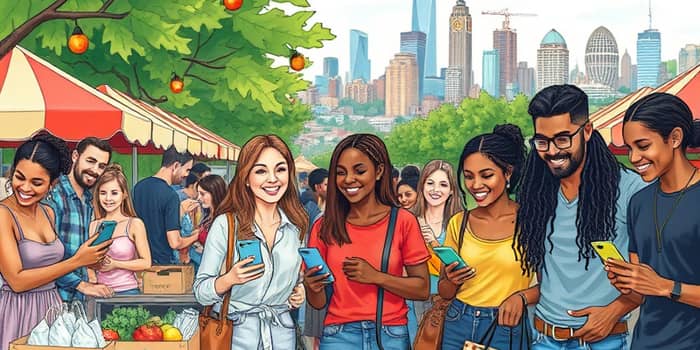
In the evolving economic environment of 2025, the art of spending goes beyond simple transactions. Consumers are redefining value, prioritizing sustainable practices, and seeking fulfillment through experiences. This shift is neither fleeting nor superficial; it reflects a fundamental desire to extract good value for money and to ensure that every dollar nurtures lasting happiness. By aligning financial decisions with personal values, individuals can craft budgets that empower and uplift.
Amid lingering inflation and cautious optimism, shoppers are laser-focused on extracting every possible benefit from their spending. The goal is not simply to pay less but to invest wisely in goods and services that elevate daily life. This approach centers on thorough research, patience, and a willingness to explore nontraditional avenues for finding quality.
For many, the path to joy lies in moments and memories rather than accumulating more stuff. This transition toward experiences over material possessions aligns with research showing that events like concerts, travel, and communal dining yield greater long-term satisfaction than tangible items. By channeling resources into activities, consumers unlock emotional rewards that extend far beyond the price tag.
Whether it’s a weekend getaway in a nearby city, a cooking class with friends, or tickets to a local festival, investing in shared experiences strengthens social bonds and creates stories that last a lifetime. Thoughtful budgeting makes these opportunities accessible without derailing long-term financial goals.
Understanding where money flows helps consumers allocate resources in ways that resonate with their priorities. From health to home, each category presents unique opportunities for smart spending.
Allocating portions of your budget to these categories based on personal priorities ensures that spending aligns with lifestyle goals and evolving market trends.
Different age groups are navigating the 2025 landscape in unique ways. Gen Z and Millennials are particularly sensitive to price yet refuse to sacrifice quality. They readily embrace second-hand markets, clip coupons digitally, and exploit discounts. Meanwhile, Baby Boomers maintain steadier patterns, focusing on healthcare and home comforts without drastic behavioral shifts.
Despite cutting overall spending by 13% earlier in the year, Gen Z’s growing spending power remains a critical force. As this cohort’s disposable income expands toward a projected $12 trillion by 2030, brands and individuals alike must recognize their blend of frugality and experiential ambition.
Sustainability has evolved from a niche concern into a mainstream spending driver. Eco-conscious consumers willingly explore resale options, renewable products, and minimal-waste services, understanding that environmental stewardship and fiscal prudence often go hand in hand.
The resale market’s $264 billion valuation and 12% annual growth reflect the appeal of extending product lifecycles. By buying and selling pre-owned items, consumers slash costs while reducing waste—an outcome both economically and ethically rewarding.
Technology empowers smarter decisions at every step. From AI-driven shopping recommendations to budgeting apps that categorize expenses in real time, digital platforms offer unprecedented clarity and control. With 71% of consumers expecting tailored experiences, harnessing these tools becomes a vital strategy.
Subscription services, social commerce, and integrated payment solutions merge discovery with convenience. By tapping into personalized shopping AI experiences, users can pinpoint deals that align precisely with their tastes and financial objectives.
Building a flexible, joyful budget hinges on methodical planning and discipline. Practical habits ensure that resources flow toward what matters most without unexpected shortfalls.
As consumers navigate 2025’s complex tapestry, the key is striking a balance between prudence and possibility. Embracing sustainable and joyful spending habits fosters resilience and paves the way for meaningful experiences. By integrating value maximization, generational insights, and innovative tools, each individual can transform financial challenges into opportunities for personal growth and communal enrichment.
Ultimately, smart spending is not an exercise in deprivation but a pathway to liberation—one that elevates daily life, nurtures relationships, and cultivates lasting happiness.
References