In every society, some vital services and infrastructures defy traditional market logic. Despite their undeniable value, they remain underprovided unless public institutions step in. This article delves into the heart of why markets struggle to supply these essentials, and how communities and governments rise to bridge the gap.
Public goods are defined by two key economic properties. First, they are strictly non-excludable and non-rivalrous resources. Non-excludability means it is impractical or overly costly to prevent non-payers from using them. Non-rivalry signifies that one person’s use does not diminish availability for others. Together, these traits create a unique challenge for private firms.
Unlike private goods such as food or clothing, which can be withheld from non-purchasers and consumed only once, public goods spread benefits broadly and simultaneously. This distinction underpins the persistent gap between societal needs and market supply.
At the core of underprovision lies the free-rider problem can erode private incentives. If individuals can enjoy benefits without contributing financially, many will opt out of paying. This reduces aggregate demand and discourages producers from investing.
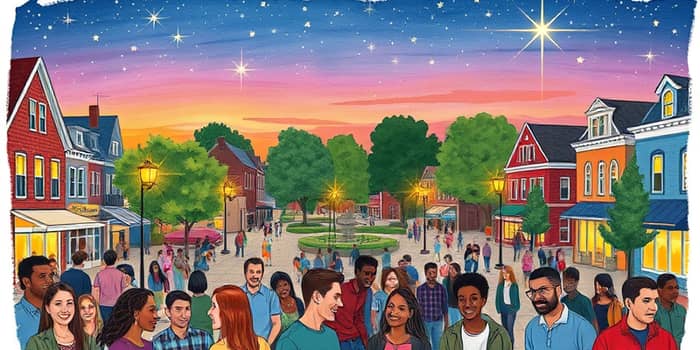
Consider a simple town debating new streetlights. Each resident values better lighting, but few will willingly pay their share. If taxes are voluntary, most stay quiet, hoping neighbors will step forward. The result? Zero lamps installed despite high overall benefit.
Real-world public goods range from the mundane to the monumental. National defense protects an entire population against external threats. A public park offers open space for families, joggers, and artists alike. Clean air and flood defenses safeguard health and livelihoods without exclusion.
Yet, purely private markets shy away. Firms cannot bill each beneficiary, and enforcement costs skyrocket. This leads to stark market failure when left unchecked.
To overcome free-riding, societies rely on compulsory funding circumvents underprovision. Governments levy taxes to pool resources and allocate funds toward public goods. This ensures that everyone contributes, regardless of individual incentives to withhold payment.
Two primary methods prevail:
Both approaches aim to achieve the socially optimal quantity through coordinated action.
Advancements in technology constantly reshape what qualifies as a public good. Digital platforms like Wikipedia offer non-rivalrous global knowledge at scale. Encryption technologies can turn previously non-excludable content into restricted services. These shifts highlight the fluid boundaries shaped by technology.
Global challenges, such as pandemic response or climate change mitigation, demand cooperative efforts across borders. These are true global public goods: benefits that extend to all nations without depletion. Coordinated funding and shared research become indispensable.
Economists have established efficiency conditions: the sum of individual willingness-to-pay must at least equal production costs for a public good to be supplied optimally. In practice, mechanisms such as matching grants, philanthropic contributions, and user cooperatives help bridge funding gaps.
Communities often pilot local initiatives, from volunteer fire brigades to neighborhood watch programs. These examples demonstrate that collective action and innovative financing models can alleviate underprovision even before state intervention takes hold.
Understanding the unique nature of public goods empowers citizens to advocate for better policies. Engaging in local decision-making, supporting transparent budgeting, and fostering partnerships between public and private sectors can enhance provision and maintenance.
Ultimately, ensuring access to clean air, safe streets, robust defense, and digital knowledge requires more than economic theory. It demands heightened civic responsibility and collaboration—a shared commitment to the common good.
By recognizing the reasons behind market failure and embracing solutions, we unlock the potential for thriving, equitable communities that leave no one behind.
References