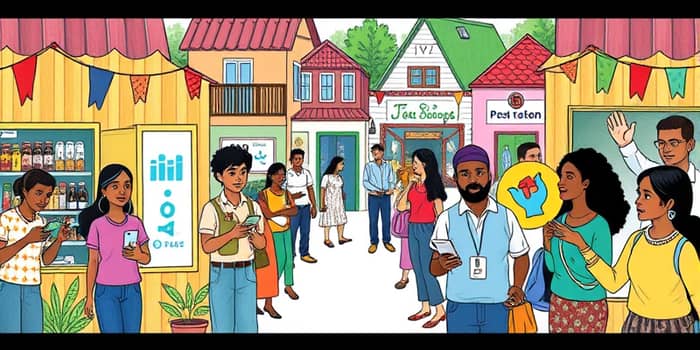
Microfinance has emerged as a cornerstone in the global effort to lift communities out of poverty and foster economic resilience. By providing essential financial services to underserved populations, microfinance institutions are catalyzing small business growth, improving household welfare, and advancing sustainable development goals.
The global microfinance market continues to expand at a remarkable pace, driven by rising demand for accessible credit solutions and innovative financing models. As of 2024, the sector was valued at USD 209.08 billion, marking a steady uptrend from USD 195.3 billion in 2023. Multiple forecasts anticipate this trajectory sustaining its momentum.
Projections indicate the market could reach USD 331 billion by 2029 with an annual growth exceeding 10%, USD 377 billion by 2030 at an average annual growth rate of 10.65%, and USD 536.46 billion by 2032 at a compound annual growth rate (CAGR) of 12.5%. These estimates underscore a double-digit growth momentum in the sector and signal robust opportunities for investors and policymakers alike.
This data reveals the critical importance of expanding microfinance infrastructure to meet growing borrower needs and support economic development on a global scale.
While the global outlook is promising, the distribution of microfinance services varies across regions, each offering unique opportunities for expansion and innovation.
South Asia leads with over 85.6 million borrowers, fueled by strong domestic demand and supportive government policies in countries like India and Bangladesh. Southeast Asia harnesses digital innovation, with Indonesia housing 20% of ASEAN fintech firms and projected fintech revenues of USD 8.6 billion by 2025. Vietnam’s digital lending platforms are enhancing credit access, especially in rural areas.
Latin America’s MSMEs, which contribute more than 60% of employment, are primed for growth as private sector credit climbs to 50-60% of GDP. East Africa is not far behind, with mobile banking and digital wallets projecting growth rates around 5.7% for 2025-26 and revolutionizing how people transact and save.
Despite these advances, a significant financing gap persists for micro, small, and medium enterprises (MSMEs) in developing economies. Estimates place the required funding at USD 5.2 trillion for formal MSMEs, with an expanded gap of USD 8 to 9 trillion when including informal enterprises. This shortfall highlights the substantial capital allocation is required to unlock the full potential of grassroots entrepreneurship.
Addressing this gap demands coordinated efforts from governments, impact investors, and financial institutions to channel resources where they are most needed, ensuring that small businesses can access the loans necessary for growth and innovation.
Digital tools are reshaping microfinance by increasing efficiency, reducing costs, and extending reach to the unbanked. Mobile banking, digital wallets, and AI-driven credit assessments are enabling institutions to evaluate risk more accurately and offer tailored products.
These innovations are revolutionizing financial services with digital solutions, making it possible to serve clients at scale while maintaining high standards of client protection and operational efficiency.
The demographic landscape in many developing nations is shifting, with a growing working-age population creating a surge in entrepreneurial aspirations. As more people seek to start or expand businesses, demand for microfinance services rises in tandem.
These demographic shifts play a crucial role by boosting demand for credit and stimulating economic activity at the community level.
Beyond financial metrics, understanding how microfinance affects borrowers’ lives is essential for sustainable growth. Studies show planned borrowers, who approach loans with clear business objectives, report improvements in quality of life and better financial management compared to those borrowing for emergencies.
These outcomes illustrate the sustainable development impact through microfinance and underscore the importance of responsible lending practices.
Government frameworks and policies play a pivotal role in nurturing the microfinance ecosystem. By establishing credit bureaus, providing seed funding, and enacting favorable regulations, authorities can reduce risks for lenders and borrowers alike.
Examples include Indonesia’s inclusive finance initiatives and Vietnam’s supportive MSME policies, which have attracted foreign investment and spurred domestic growth. In the United States, the Small Business Administration’s issuance of thousands of microloans demonstrates how targeted government programs can catalyze grassroots entrepreneurship.
As we look ahead, stakeholders must collaborate to scale microfinance solutions responsibly and innovatively. Investment in digital infrastructure, combined with tailored financial products, can help bridge the financing gap, especially in underserved regions.
Empowering communities through microfinance is not just about numbers; it’s about fostering resilience, unlocking potential, and creating a ripple effect of positive change. By prioritizing inclusive growth and measurable impact, we can ensure that microfinance continues to be a powerful engine for social and economic transformation.
With shared vision and sustained commitment, microfinance can reach new heights, bringing hope and opportunity to millions more around the world.
References