In today's fast-paced world, your greatest asset isn't found in physical possessions or bank accounts. It lies within your own abilities, waiting to be nurtured and grown.
Human capital represents the intangible wealth you carry—your knowledge, skills, and health. This investment drives lifelong success, shaping both personal prosperity and broader economic vitality.
By focusing on self-improvement, you can unlock potential that transcends financial gains. Empower yourself to thrive in an ever-evolving landscape where adaptability is key.
Human capital encompasses all personal attributes that contribute to value creation. It includes education and experience, forming a foundation for productivity and innovation.
Unlike physical assets, this capital is inherent in people and non-transferable. Investments yield compounding returns, making it a critical focus for anyone seeking growth.
From Adam Smith's early insights to modern theories, this concept has evolved. It underscores the importance of lifelong learning in achieving economic and personal goals.
The idea of human capital has deep roots in economic thought. Key figures shaped its development, highlighting its role in societal progress.
This evolution shows how human capabilities fuel advancement, transforming economies and individual lives alike.
Human capital is more valuable than physical assets, driving key economic metrics. It enhances productivity and innovation, creating a ripple effect across societies.
Statistics reveal its impact clearly. Consider these key findings that illustrate its value.
These numbers highlight the immense potential for growth when human capital is prioritized. Mechanisms that drive this include increased labor participation and innovation by knowledge workers.
Such outcomes make human capital a cornerstone of sustainable development.
Investing in yourself parallels the economic principles of human capital. Focus on key areas to maximize returns and transform your life path.
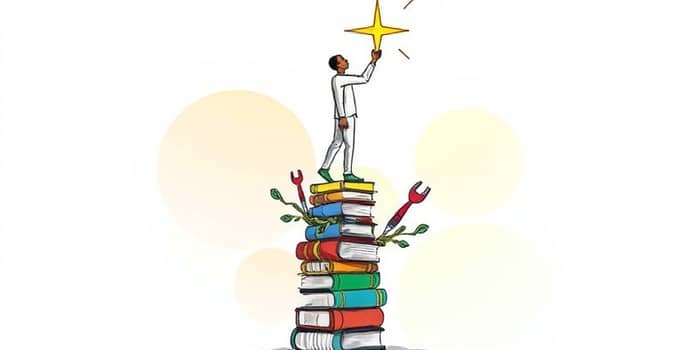
Start with education, which lays the groundwork for advancement. Formal degrees and continuous learning open doors to new opportunities.
These investments blur into daily consumption. For example, healthy eating habits contribute to lifelong performance and reduced healthcare costs.
Beyond luxuries, disciplined choices in time and resources build this capital. Childhood investments yield high returns, emphasizing the importance of early development.
Organizations leverage human capital to drive success and innovation. Training programs create corporate cohesion, making skills firm-specific and valuable.
Companies measure this through ROI calculations. Compare profits before and after investments to gauge effectiveness.
This approach ensures that human assets are nurtured, aligning personal growth with business objectives.
On a larger scale, human capital shapes national economies and global progress. Initiatives like the World Bank's project prioritize health and education across lifecycles.
The Human Capital Index measures future productivity. It inspires targeted investments in social protection and labor markets.
Governments play a crucial role in fostering environments where individuals can thrive. Policies that subsidize education justify themselves through increased innovation and societal well-being.
Despite its importance, human capital faces abstract measurement hurdles. The shift to knowledge-based economies demands new models for workforce development.
Key challenges include ensuring inclusivity and adaptability. Strategies to address these involve continuous learning and support systems.
By tackling these issues, societies can unlock untapped potential, driving forward with confidence and purpose.
Investing in your human capital is a transformative act with far-reaching effects. It enriches your life and economy, creating a legacy of growth and resilience.
Start today by setting small, achievable goals. Focus on learning and wellness to build a foundation for success.
Remember, the returns on this investment compound over time. You hold the power to shape not just your future, but the world's prosperity. Embrace this opportunity and watch as your efforts yield dividends beyond imagination.
References