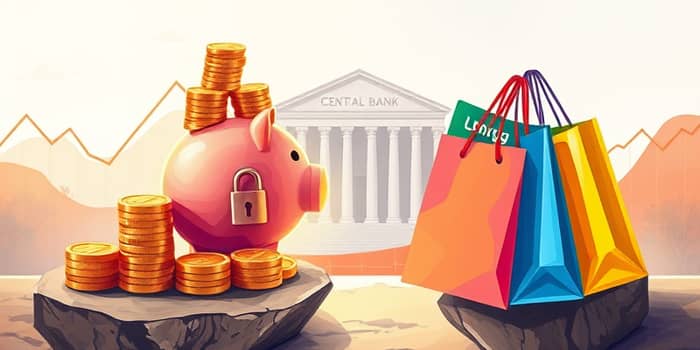
In the intricate dance of the economy, few forces shape our daily financial decisions more profoundly than interest rates.
They are the invisible hand guiding everything from your mortgage payments to the yield on your savings account, influencing how we spend, save, and plan for the future.
70% of GDP in developed economies relies on consumer behavior, making this topic essential for anyone seeking financial empowerment.
Understanding interest rates is not just about numbers; it's about mastering the tools that can enhance your financial resilience and growth.
Interest rates are set by central banks, such as the Federal Reserve, to manage inflation, stimulate economic activity, or cool down overheating markets.
By adjusting tools like the federal funds rate, they influence the cost of borrowing and the rewards for saving.
Lower rates reduce borrowing costs, making loans cheaper and encouraging spending on big-ticket items like homes and cars.
This environment often leads to increased disposable income from lower debt payments, fueling consumer confidence.
Conversely, higher rates increase borrowing expenses, curbing spending but boosting savings returns, which helps control inflation.
During periods of low interest rates, the economy often experiences a surge in consumer activity and optimism.
A 1% rate cut can boost GDP growth by 0.5% to 0.8% within a year, illustrating the powerful impact on daily life.
Cheaper loans translate into more affordable mortgages, credit card payments, and auto loans, freeing up cash for other purchases.
However, savers may feel the pinch, as yields on savings accounts and fixed-income investments drop, eroding purchasing power over time.
When interest rates rise, the economic landscape shifts toward caution and conservation.
Higher costs deter large purchases such as homes and vehicles, as loans become more expensive.
Variable-rate loans, like adjustable mortgages, see increased payments, straining household budgets.
This environment helps tame inflation but may also lead to reduced consumer spending, which accounts for a significant portion of economic activity.
Central banks play a pivotal role in shaping interest rate policies based on key indicators like inflation, employment, and GDP growth.
As of May 20, 2025, the effective benchmark rate stood at 4.33%, influencing everything from mortgage rates to credit card APRs.
Their decisions create a ripple effect, impacting consumer and commercial lending across the economy.
By raising rates to combat high inflation or lowering them during slowdowns, central banks strive to balance growth with stability.
Interest rates don't just affect wallets; they shape our confidence, optimism, and long-term planning.
Low rates often foster a sense of wealth and opportunity, leading to more aggressive spending and investment strategies.
High rates can erode confidence, prompting a shift toward conservative savings and debt reduction.
Real interest rate calculation is crucial here: subtracting inflation from the nominal rate reveals if savings are truly growing or losing value.
To thrive in any economic climate, adopt practical strategies that leverage interest rate dynamics for your benefit.
These tips can help you maintain financial stability and capitalize on opportunities, regardless of rate fluctuations.
By staying proactive, you can turn interest rate challenges into advantages for your financial journey.
Interest rates influence entire economies, extending their impact to job markets, investment portfolios, and global trade dynamics.
For example, bond prices move inversely to rates, affecting retirement accounts and fixed-income investments.
Understanding these connections empowers you to make informed decisions in an interconnected world, enhancing your overall financial literacy.
Interest rates are a dynamic and powerful force, but with knowledge and adaptability, you can navigate their effects with confidence.
By understanding the mechanisms behind rate changes and implementing strategic plans, you can enhance your spending power and safeguard your savings.
Remember, whether rates are high or low, proactive financial management is your key to long-term success and peace of mind.
References