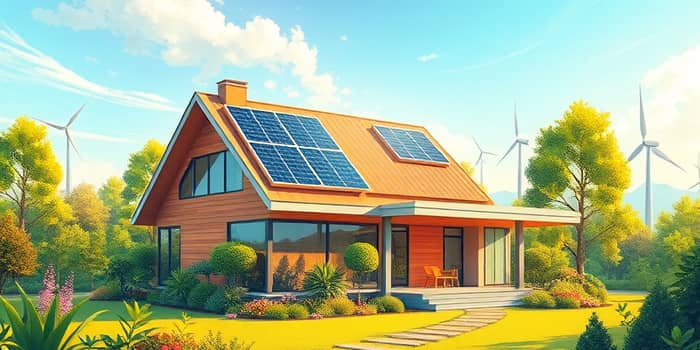
As global awareness of climate change grows, homeowners are seeking ways to reduce their carbon footprint while enjoying financial rewards. Green mortgages combine eco-friendly home financing with tangible savings, unlocking new opportunities for energy-efficient living.
By integrating the cost of upgrades into a primary mortgage, borrowers can access lower rates, tax incentives, and reduced utility costs. This comprehensive guide explores everything you need to know.
A green mortgage—also known as an energy-efficient mortgage (EEM)—allows borrowers to fund environmentally friendly improvements as part of their home loan. These products evaluate a property’s energy performance to determine eligibility and incentives.
Instead of separating renovation loans or personal credit lines, green mortgages fold the cost of qualifying measures—such as solar panels or insulation—directly into the mortgage balance. This structure offers both convenience and longer repayment terms.
Green mortgage holders enjoy three main financial advantages:
These combined savings reduce default risk through the “cash-flow channel,” freeing up disposable income for debt service and daily living expenses.
Several leading products in the U.K. and U.S. markets cater to different borrower needs. Key offerings include:
Additional options include California’s GoGreen Home Energy Financing, FHA 203k loans, and USDA-supported programs for rural homebuyers. Each product has unique eligibility criteria and benefits.
Typical energy measures financed through green mortgages include:
Incentive mechanisms often involve either a rate discount or post-completion cashback. Lenders may require a green appraisal to validate projected energy savings and qualify borrowers for larger loan amounts.
Borrowers must meet standard credit and income requirements, but energy savings are factored into the debt-to-income calculation. This means more purchasing power, as projected utility reductions justify slightly higher monthly payments.
To start the process, contact participating lenders or consult online marketplaces. Request information on specific products like Freddie Mac’s GreenCHOICE or Fannie Mae’s HomeStyle Energy, and ask for guidance on completing required energy assessments.
Residential homes account for roughly one-fifth of the U.K.’s greenhouse gas emissions. By financing upgrades through green mortgages, homeowners can significantly reduce their carbon footprint.
Widespread adoption drives market innovation: lenders compete with better incentives, contractors gain more projects, and suppliers scale up production of eco-friendly materials. This virtuous cycle accelerates decarbonization efforts across communities.
Follow these practical steps to secure financing:
Once approved, funds can be disbursed at closing or held in escrow for contractor payments as improvements are completed.
Green mortgages offer a compelling way to merge environmental responsibility with financial prudence. By unlocking energy-efficient improvements through favorable loan conditions, homeowners can enjoy lower bills, reduced emissions, and enhanced comfort.
As regulatory bodies and lenders continue to innovate, now is the ideal time to explore green mortgage options. Embrace this opportunity to invest in a sustainable future—your wallet and the planet will thank you.
References