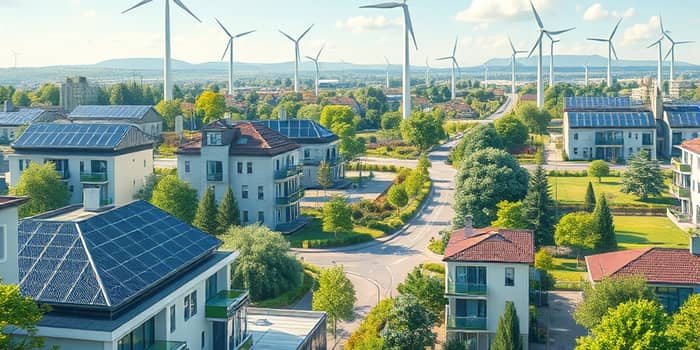
The dawn of a new economic era is upon us, where environmental stewardship and profitability converge in powerful ways. The global green economy is not just a niche trend but a mainstream force driving innovation and wealth creation.
With current valuations exceeding $5 trillion annually, this sector is projected to surpass $7 trillion by 2030, outpacing most industries except technology. This growth signifies a profound shift in how businesses operate and invest.
Companies that derive over 50% of their revenue from green markets enjoy 12-15% valuation premiums, demonstrating the financial rewards of sustainability. Their green revenues are growing twice as fast as conventional lines, offering a clear competitive edge.
To understand the scale, let's look at the data. Multiple sub-sectors are experiencing explosive growth, making green investments highly attractive.
This table highlights the rapid expansion across various domains. For instance, green data centers are set to grow at a compound annual growth rate of 17.25%, driven by the surge in AI and cloud computing.
Such projections underscore why savvy investors are flocking to this space. The momentum is undeniable and accelerating year after year.
Several factors are accelerating the adoption of green solutions. Understanding these can help businesses position themselves effectively.
These drivers are interconnected, creating a virtuous cycle of innovation and market expansion. For example, as costs fall, more companies adopt green tech, which in turn drives further investment.
The green growth story varies by region, offering tailored opportunities for investors and entrepreneurs.
Within data centers, the size distribution shows interesting trends.
This segmentation helps in targeting specific niches for investment and development. It allows for strategic planning and resource allocation.
To profit from green growth, it's essential to delve into the key segments that offer the highest returns.
Focusing on these segments can provide a roadmap for businesses looking to enter or expand in the green economy. Each offers unique advantages and growth potentials.
Learning from successful companies can offer valuable insights into how to thrive in this space.
Case studies from the World Economic Forum highlight that companies with high green revenues are not only resilient but also more profitable. They enjoy lower cost of capital and enhanced investor confidence, making them attractive investment targets.
Despite the optimism, there are hurdles to overcome. Addressing these proactively is crucial for sustained success.
Solutions include leveraging international collaborations, investing in cost-reduction technologies, and building strong business cases that highlight profitability. By tackling these challenges head-on, businesses can secure a sustainable competitive advantage.
The trajectory is clear: green growth is set to be a major engine of the global economy. With bold action and strategic investments, the opportunities are boundless.
Innovations in areas like carbon capture, circular economy models, and smart grids will further drive progress. The ecosystem of startups, academics, and corporations will continue to evolve, creating new avenues for profit.
As consumers and investors increasingly prioritize sustainability, companies that align with these values will not only survive but thrive. The green revolution is here, and it's profitable. Embrace this change, invest wisely, and be part of shaping a sustainable and prosperous future for all. Let this journey inspire you to act, innovate, and reap the rewards of a greener world.
References