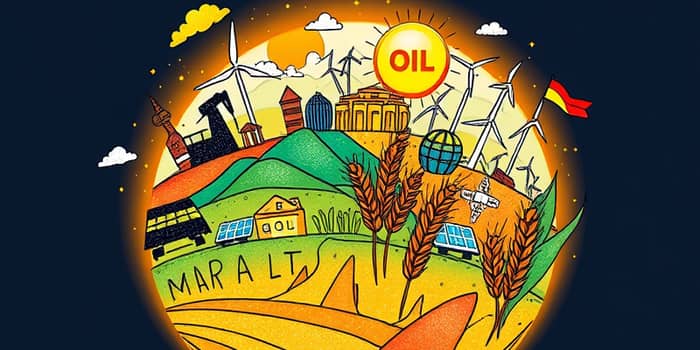
The year 2026 is poised to be a transformative period for commodity investors, marked by resilience and innovation.
Global markets are set to benefit from multiple positive trends, reshaping how we think about raw materials.
This guide explores key sectors and strategies to help you navigate this evolving landscape with confidence.
After periods of volatility, commodity markets are entering a phase of stability and growth.
The primary driver is the global energy transition, which is redirecting unprecedented capital flows.
This shift creates opportunities across energy, metals, and agriculture, fostering a hopeful sentiment.
Investors can leverage these trends for diversification and long-term gains.
The energy landscape is undergoing a dramatic transformation, with lower fossil fuel prices easing inflation.
Oil and gas markets have abundant supply, leading to softer pricing in recent years.
Electric vehicles are revolutionizing transportation, with over 20 million EVs sold in 2025.
This rapid electrification reduces long-term oil demand but spurs new needs for metals.
Investment in clean energy is surging, with a record $3.3 trillion set for 2025.
Uranium prices are projected to reach $100 per pound by end-2026, supported by nuclear energy growth.
Industrial metals are critical for modern infrastructure and green technologies.
Copper faces strong demand from renewable energy and AI/data centers.
Aluminum is essential for lightweight vehicles and grid equipment.
Citi forecasts a 30% upside in the base case and 50% in the bull case by 2027.
Other base metals like tin are positioned for solid demand, offering broad stability.
Precious metals have been standout performers, with gold hitting all-time highs.
UBS expects gold prices to rally to USD 5,000/oz by March 2026.
Silver has jumped significantly alongside gold, with the bull market expected to continue.
These metals offer a hedge against uncertainty and monetary policy shifts.
Agricultural markets have entered a period of relative stability after early 2020s volatility.
Strong harvests and improved logistics have made food prices more affordable.
New uses for crops, such as biofuels, add growth avenues for savvy investors.
Global growth is expected to improve in 2026's first half, driven by policy measures.
Lower fossil fuel prices help ease inflation, providing economic relief worldwide.
Geopolitical conflicts, like those in Ukraine, persist and can drive price spikes.
This environment requires careful portfolio allocation to manage risks.
Commodities can play a valuable role in portfolios by providing diversification.
UBS recommends up to 5% allocation to a diversified commodity index when outlook is favorable.
Stable agricultural prices mean less risk, but opportunities exist in specific commodities.
By understanding these dynamics, investors can build resilient and profitable portfolios.
Embrace the hopeful trends of 2026 to secure your financial future with raw materials.
References