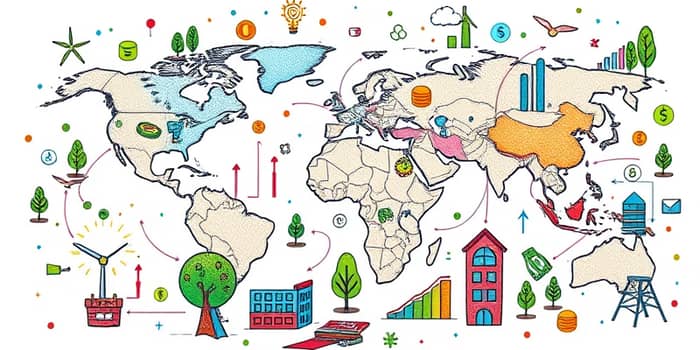
In an era where profit often overshadows purpose, a new wave of enterprises is rising to redefine success. B Corps stand at the forefront of this movement, blending business acumen with a deep commitment to social and environmental good. This article delves into how the B Corp ecosystem not only fosters positive impact but also provides innovative pathways for financing conscious businesses effectively.
Imagine a world where every transaction contributes to a better planet and stronger communities. B Corps make this vision tangible by legally binding themselves to balance profit with purpose. They are certified by B Lab, a nonprofit, for meeting rigorous standards that go beyond shareholder value. This certification is more than a label; it's a promise to prioritize stakeholders like workers, customers, and the environment.
The growth of B Corps is nothing short of remarkable. With over 5,000 certified entities worldwide, this movement is reshaping industries from tech to retail. It signals a global shift towards an economy where ethics and earnings coexist harmoniously. As we explore this ecosystem, we'll uncover practical strategies for funding and thriving in this new paradigm.
B Corps, or Benefit Corporations, are for-profit businesses that undergo a stringent certification process. They must achieve a B Impact Assessment score of 80+ to demonstrate excellence in social and environmental performance. This assessment covers areas like governance, workers, community, and environment, ensuring holistic accountability.
Unlike traditional firms, B Corps embed their mission into their legal DNA. They commit to transparency and stakeholder governance, making them resilient against short-term profit pressures. Recertification every two to three years drives continuous improvement, keeping them at the cutting edge of sustainability.
The legal framework varies by region, but it generally protects the company's mission during events like capital raises or leadership changes. This ensures that the core values remain intact, even as the business evolves. B Corps are not just businesses; they are catalysts for systemic change in the global economy.
The B Corp ecosystem is a vibrant global network that fosters collaboration and mutual support. It connects certified companies through platforms and initiatives designed to amplify impact. This ecosystem is built on several key pillars that enable businesses to thrive together.
This interconnected web drives a race to the top in sustainability, with B Corps leading by example in sectors like hospitality and retail. By sharing knowledge and resources, they create a ripple effect that elevates standards globally.
Financing is a critical challenge for any business, but B Corps have unique advantages in attracting capital. While specific financing tools like dedicated funds are less highlighted, the ecosystem indirectly supports funding through credibility and networks. Here are key ways B Corps navigate financial landscapes.
Real-world examples illustrate these benefits. Jump, an eco-friendly company, streamlined its supply chain to cut emissions and boost profits. HigherRing attracts top talent by aligning with impact-driven values. These cases show how conscious businesses can thrive financially within the B Corp framework.
The advantages of being a B Corp extend across multiple dimensions, from brand enhancement to operational excellence. Below is a table summarizing these benefits, providing a clear overview for aspiring enterprises.
These benefits collectively empower businesses to not only survive but thrive in competitive markets. By integrating purpose into their core, B Corps build loyalty and innovation that drive sustained success.
Becoming a B Corp involves a detailed journey that reinforces commitment to impact. The process is designed to be rigorous yet rewarding, pushing companies toward higher standards. Here are the key steps involved.
This process is not a one-time event but a continuous journey of growth. It helps businesses identify weaknesses and turn them into strengths, fostering a culture of accountability and innovation. While certification is not available everywhere, its global expansion is making it more accessible.
Despite its many strengths, the B Corp movement faces critiques and limitations. Acknowledging these challenges is essential for a balanced perspective. Here are some common points of discussion.
However, these challenges are often addressed through the ecosystem's collaborative nature. By sharing best practices and advocating for policy changes, B Corps work to overcome obstacles and amplify their influence. This resilience underscores their role as leaders in conscious capitalism.
Looking ahead, the B Corp movement aims to transform the global economy into one that prioritizes people and planet. Initiatives like the B Corp Climate Action Collective demonstrate how these businesses unite to tackle pressing issues like climate change. By leveraging advocacy, collaboration, and capital markets, they drive systemic shifts.
The ecosystem's growth suggests a bright future. As more companies join, the network becomes richer, offering greater resources and opportunities for innovation. This collective effort inspires higher standards across industries, creating a ripple effect that benefits society at large.
For entrepreneurs and investors, the message is clear: aligning profit with purpose is not just ethical but economically savvy. By embracing the B Corp model, businesses can build resilience, attract loyal stakeholders, and contribute to a sustainable world. The journey may have hurdles, but the rewards—both financial and moral—are profound.
In conclusion, the B Corp ecosystem offers a blueprint for financing and growing conscious businesses in today's complex landscape. It proves that doing good and doing well are not mutually exclusive but mutually reinforcing. As this movement expands, it paves the way for an economy where every business is a force for positive change.
References